
Paragliding Experience Blog
When selling used second-hand paragliding equipment, where should you post it?
Publié par Martin Havel le
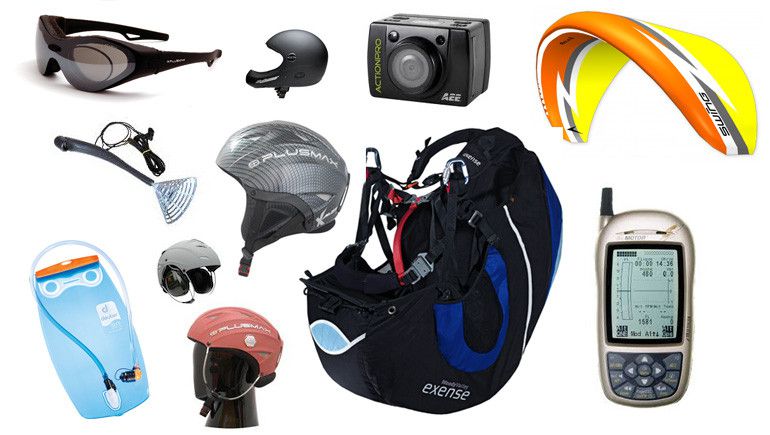
Guide to the small talk vocabulary when selling second-hand paragliding gear
Publié par Martin Havel le

In the exhilarating world of paragliding, small talk plays a significant role in the process of buying and selling gear. Whether you're a seasoned pilot or a newcomer to the sport, engaging in friendly banter can enhance the experience of purchasing second-hand paragliding equipment. From discussing the wing's airtime and wing loading to inquiring about the condition and any unique features, small talk serves as a bridge between buyers and sellers, fostering trust and understanding. It's not just about the transaction; it's about sharing insights, experiences, and mutual passion for flying. So, next time you're in the market for a...
ICOM IC-41PRO with a slim battery Model BP-278 with a stubby antenna (218 g)
Publié par Martin Havel le
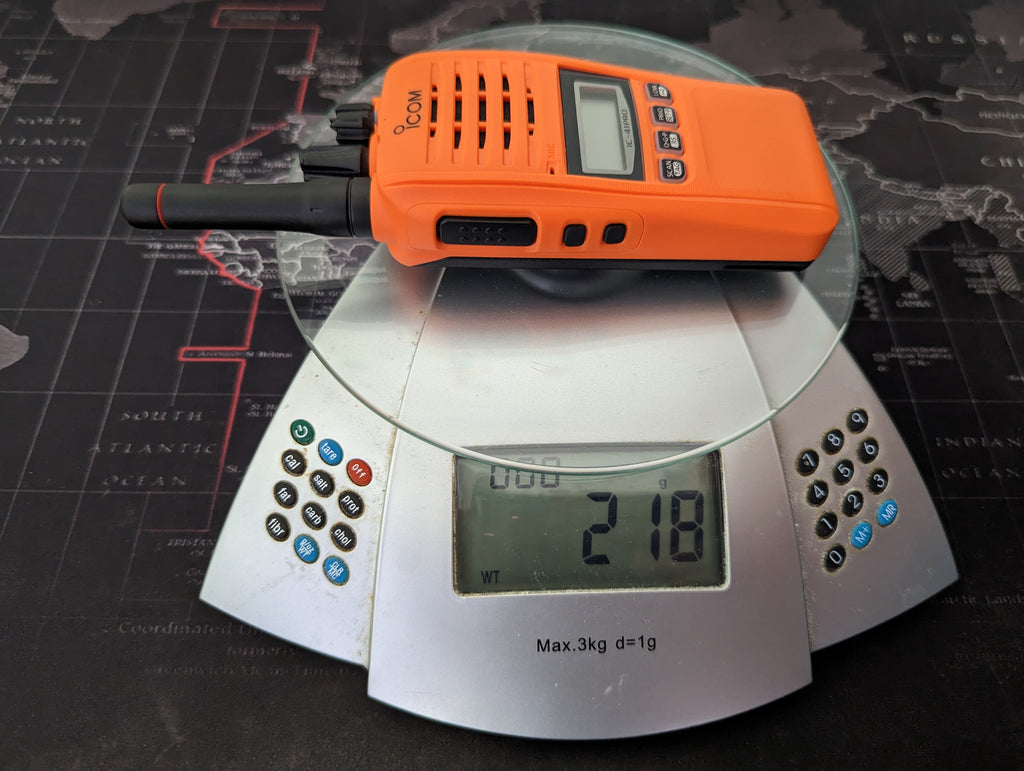
What is the weight difference between ICOM IC-41PRO with a standard battery and speaker mic (398 g) compared with ICOM IC-41PRO with a slim battery Model BP-278 with a stubby antenna (218 g)? Icom Li-Ion Battery Pack https://fly2base.com/products/icom-li-ion-battery-pack Icom IC-41PRO https://fly2base.com/collections/paragliding-instrument/products/icom-ic-41pro
Water and Paragliding Instruments, did you know?
Publié par Martin Havel le
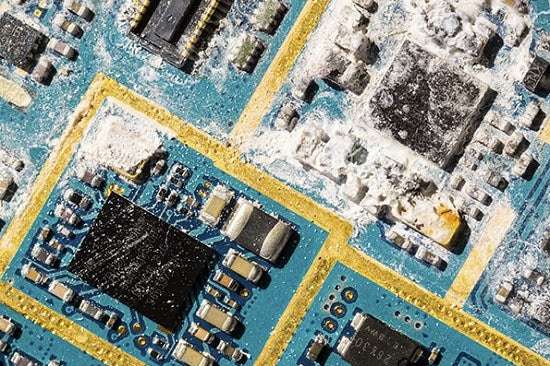
We know you love taking to the skies with our awesome flight instruments, but let's face it, they're not dive computers. Nevertheless, accidents happen, and sometimes paragliding pilots find themselves unexpectedly splashing into the water with their trusty instruments by their side. We've got some playful advice on how to handle these watery situations. So, here's your guide on what to do when your instrument takes an accidental dip: 1. Stay cool and make a splash: First things first, keep calm and assess the situation. Take a moment to make sure you're in a safe position and away from...
Why testing the strength of paragliding lines?
Publié par Martin Havel le
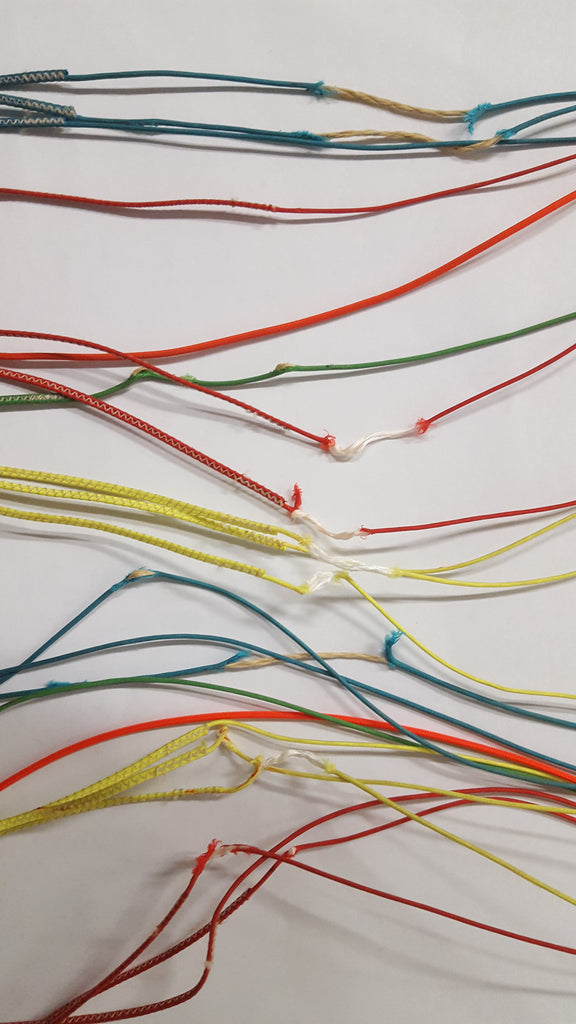
Testing the strength of paragliding lines is of utmost importance for several reasons: Safety: Paragliding involves flying at considerable heights, and the integrity of the lines is crucial for the pilot's safety. The lines bear the weight of the pilot and the wing, and any failure or weakness in the lines can lead to a catastrophic accident. Testing the line strength helps ensure that the lines can withstand the forces they will encounter during flight. Reliability: Paragliding lines are subjected to various stresses, such as the weight of the pilot, wing loading, turbulence, and dynamic maneuvers. Regular testing helps identify...